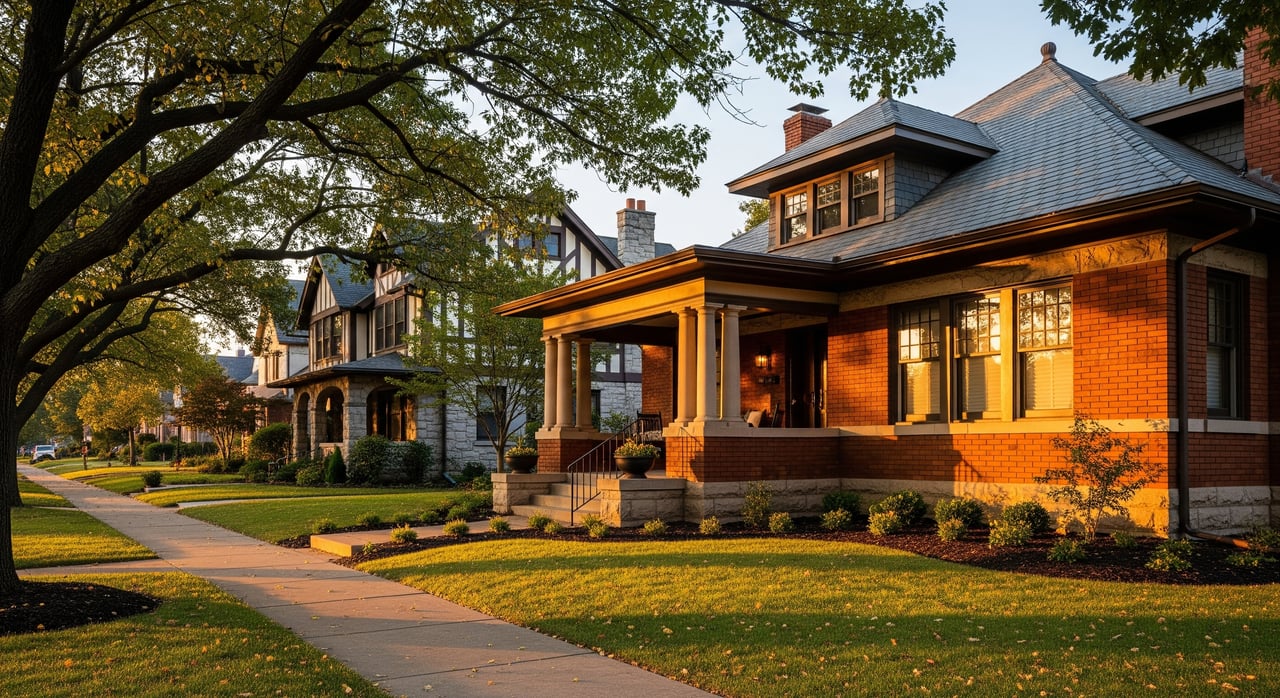
You love the character of a classic bungalow or a stately revival home, but you also want a clear plan for preserving it the right way. Buying in Mesta Park or Heritage Hills means navigating historic features, city reviews, and careful budgeting. This guide breaks down what to expect with Certificates of Appropriateness, inspections, insurance, and timelines so you can move forward with confidence. Let’s dive in.
Why these neighborhoods stand out
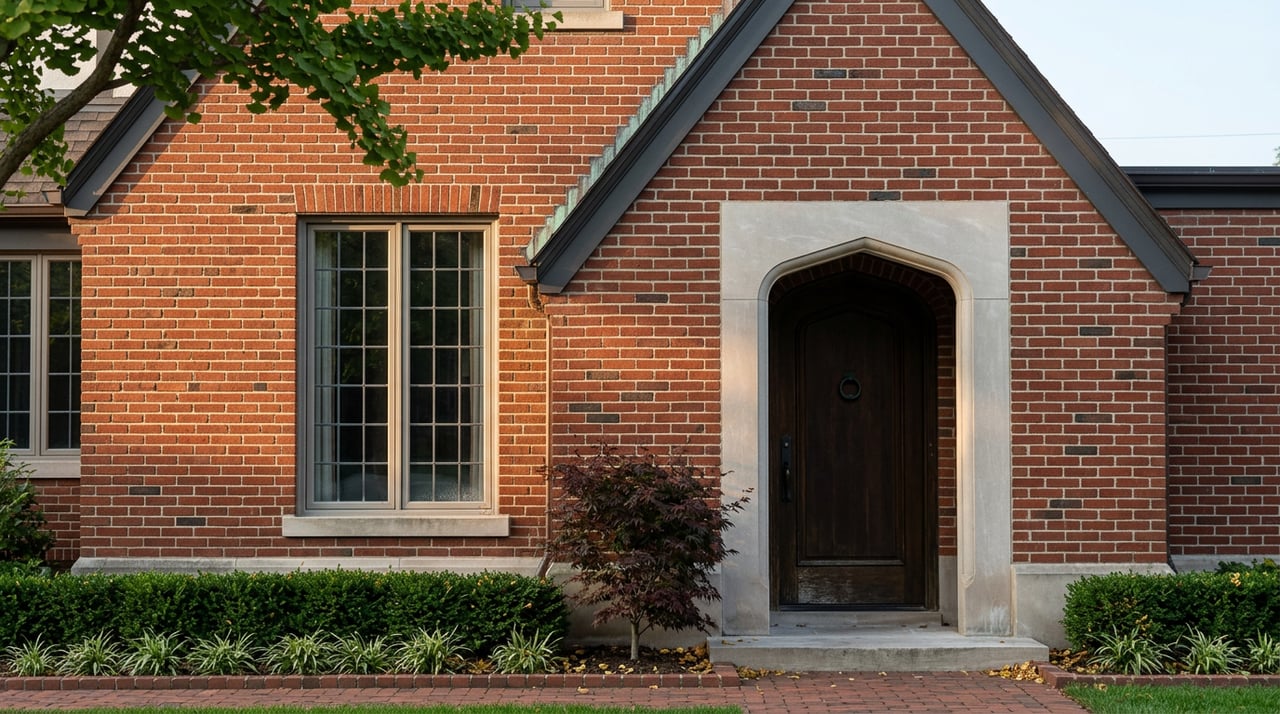
Mesta Park and Heritage Hills include many early 20th-century homes that still showcase original craftsmanship. You’ll see Craftsman bungalows, Colonial Revival, Tudor Revival, and other period styles with wood siding, brick masonry, and distinctive trim. Many homes retain original porches, windows, and rooflines that define the streetscape.
These character-defining features are often the focus of preservation review. Expect extra attention for elements visible from the street, like porches, windows, siding, and roof forms. Neighborhood associations and preservation groups are active, and they often coordinate with the City’s preservation office on guidelines and projects.
How preservation rules work in OKC
Local historic districts use rules that protect exterior changes visible from the public right of way. In practice, that means demolition, moving structures, additions, and exterior alterations can require review by a municipal preservation office or commission.
The goal is not to freeze a home in time. The aim is to guide changes so they remain compatible with the neighborhood’s historic character. That framework is consistent with widely used standards for rehabilitation of historic properties.
What typically needs approval
You can expect oversight for exterior work that affects character or visibility from the street:
- New construction or additions
- Demolition or moving a structure
- Windows and doors, including visible replacements
- Porches, columns, railings, and decorative trim
- Siding, masonry, and roof form or materials
- Some front-yard features, like fences or driveways
Interior work is usually outside preservation review, but building permits and codes still apply. Always verify the latest local rules and checklists with the City before planning work.
COAs explained: the approval you need
A Certificate of Appropriateness, or COA, is the local approval for exterior changes in a historic district. It confirms your project is compatible with the district’s character. You will typically see two tracks:
- Administrative or staff review COA. For minor or in-kind repairs and replacements. Often quicker if your scope is clear and materials match the original.
- Commission review COA. For major changes, additions, demolitions, or work that affects primary façades. These require a public meeting and more detailed submittals.
A complete application usually includes photos, a project narrative, elevations or drawings, and material specs. Approvals may include conditions, such as retaining original trim or using specific materials.
What timelines to expect
Timeframes vary by city and the completeness of your submittal. Many administrative reviews take days to a few weeks, while commission reviews tend to follow monthly meeting calendars and can span several weeks from submission to decision. For planning, assume several weeks to a few months before work can begin. This review usually occurs before the City issues building permits for exterior work.
Plan your due diligence
Historic homes can include older systems and materials that need special care. Proper inspections and expert estimates will help you set a realistic budget and contract timeline.
Inspections to prioritize
Common issues in older homes include aging roofs, wood rot, moisture or termite damage, historic masonry repairs, and dated electrical or plumbing. Consider the following:
- A general home inspector with historic-home experience
- A preservation-focused contractor or architect to scope work that needs a COA
- A structural or building envelope consultant if you see sagging, settlement, or water intrusion
- Lead-based paint and asbestos testing when renovation will disturb old materials
Give specialists enough time to provide detailed estimates and drawings that align with a COA application. That preparation creates faster review and fewer surprises.
Budgeting and insurance essentials
Historic-appropriate work can carry higher costs than standard replacements, especially for custom millwork, wood windows, or porch restoration. A thoughtful budget and the right coverage will protect you from unexpected expenses.
Costs and contingencies
You may face higher costs when you repair in kind or use compatible materials. Those choices can streamline preservation review and avoid denials that lead to redesigns. Plan a larger contingency, often 10 to 20 percent or more of the renovation budget, to account for hidden conditions that emerge once work begins.
Insurance for historic homes
Replacement cost coverage is key because historic materials and craftsmanship can be more expensive to replace. Ask insurers about historic home endorsements, agreed-value coverage for notable features, and ordinance or law coverage that helps pay for required upgrades or preservation-compliant rebuilding after a loss. Be prepared for underwriting requirements on older systems, like wiring or plumbing.
COAs, permits, and your contract timeline
In many municipalities, you need an approved COA before the City issues building permits for exterior work. Plan ahead so your closing and construction schedule reflects that sequence. If you intend to alter a primary façade, build in time for the COA process and clarify responsibilities in your contract.
A sample project timeline
For a visible porch rehabilitation, a realistic sequence might look like this:
- 1 to 3 weeks: hire a preservation architect or contractor and prepare COA-ready drawings and material specs.
- 2 to 6 weeks: staff review or commission hearing, depending on scope and meeting schedules.
- After approval: building permits and contractor scheduling, which can add days to weeks.
From concept to a permitted start, expect 1 to 3 months or more. Your actual timing will depend on submittal completeness and calendars.
Contract contingencies to consider
Built-in protections help you manage risk:
- An inspection contingency with extended time to obtain specialist reports
- A COA contingency that ties your obligation to proceed to securing required approvals
- A permitting contingency for building permits and any related approvals
- A cost contingency that allows termination if estimates to address character-defining elements exceed a specific threshold
- A seller disclosure provision requiring past COAs and permits or disclosure of unpermitted work
What to ask and verify early
Strong documentation reduces surprises and strengthens your negotiation position.
Documents to request
Ask the seller for:
- Copies of past COAs, commission approvals, and permits for exterior work
- Any design guidelines that apply to the parcel in addition to the code
- Recent contractor estimates or condition reports for windows, porches, masonry, or roofing
- Maintenance records and any insurance claims for structural or exterior issues
Red flags to watch
Be cautious with properties that show:
- Extensive exterior changes without documentation
- Significant deferred maintenance on porches, windows, or foundations
- Repeated patching or mismatched masonry repairs
- Missing paperwork for major exterior work that affected historic character
Common scenarios explained
Understanding how typical projects are treated will help you plan the right path.
Replacing front windows
If windows are original and visible from the street, staff or the commission may favor repair or require replacements that closely match profiles and muntin patterns. In-kind repair can often be approved administratively. Vinyl replacements on a primary façade may be denied.
Adding a visible dormer
A new dormer facing the street is a major change that usually requires a commission hearing with drawings and material details. Build time into your schedule for public notice and the meeting date.
Altering a historic porch
Removing a porch or changing columns can be a sensitive alteration that typically needs commission review and strong justification. Repair that retains original materials is generally preferred when feasible.
Why your team matters
The right experts can improve outcomes, control costs, and shorten timelines.
Who to include
- A preservation-savvy real estate agent to guide rules, timelines, and documents
- A preservation architect or historic-home contractor to prepare COA materials and cost options
- A historic-experienced home inspector to flag likely trouble spots early
- An insurance broker who understands historic home coverage and underwriting
- A real estate attorney as needed for complex contingencies or title issues
Benefits you gain
A seasoned team submits stronger COA applications, anticipates historic-specific costs, and brings leverage to negotiations with documented bids and risk analysis. They also help you verify that past work was approved, which reduces the risk of future compliance orders.
Moving forward with confidence
Buying in Mesta Park or Heritage Hills is rewarding when you understand the preservation framework and plan accordingly. With a clear due diligence path, realistic budgets, and advisory support, you can honor a home’s character and protect your investment.
If you want a calm, contract-smart partner who knows OKC’s historic districts, connect with Rebecca West. We will help you structure contingencies, coordinate specialists, and navigate approvals with clarity and care.
FAQs
What is a Certificate of Appropriateness in OKC?
- A COA is the city approval for exterior changes in a local historic district, meant to ensure your project is compatible with neighborhood character.
Which projects in Mesta Park or Heritage Hills usually need review?
- Exterior work visible from the street, including windows, doors, porches, siding, masonry, roof form or materials, additions, and demolition typically requires review.
How long does preservation review take for a typical project?
- Administrative reviews can take days to a few weeks, while commission reviews often take several weeks from application to decision depending on meeting calendars.
Can I replace original wood windows with vinyl?
- Vinyl replacements on a visible façade may be denied; repair or compatible wood replacements that match original profiles are more likely to be approved.
How should I budget for historic-home renovations?
- Plan for compatible materials and craftsmanship, and include a 10 to 20 percent or larger contingency for hidden conditions discovered during work.
What insurance coverage should I consider for a historic home?
- Look for replacement cost coverage, ask about historic home endorsements or agreed-value options, and consider ordinance or law coverage for code and preservation-driven costs.
What contract contingencies protect me as a buyer?
- Consider an extended inspection contingency, COA and permitting contingencies, a cost cap for character-defining repairs, and a requirement for seller documentation of past approvals.