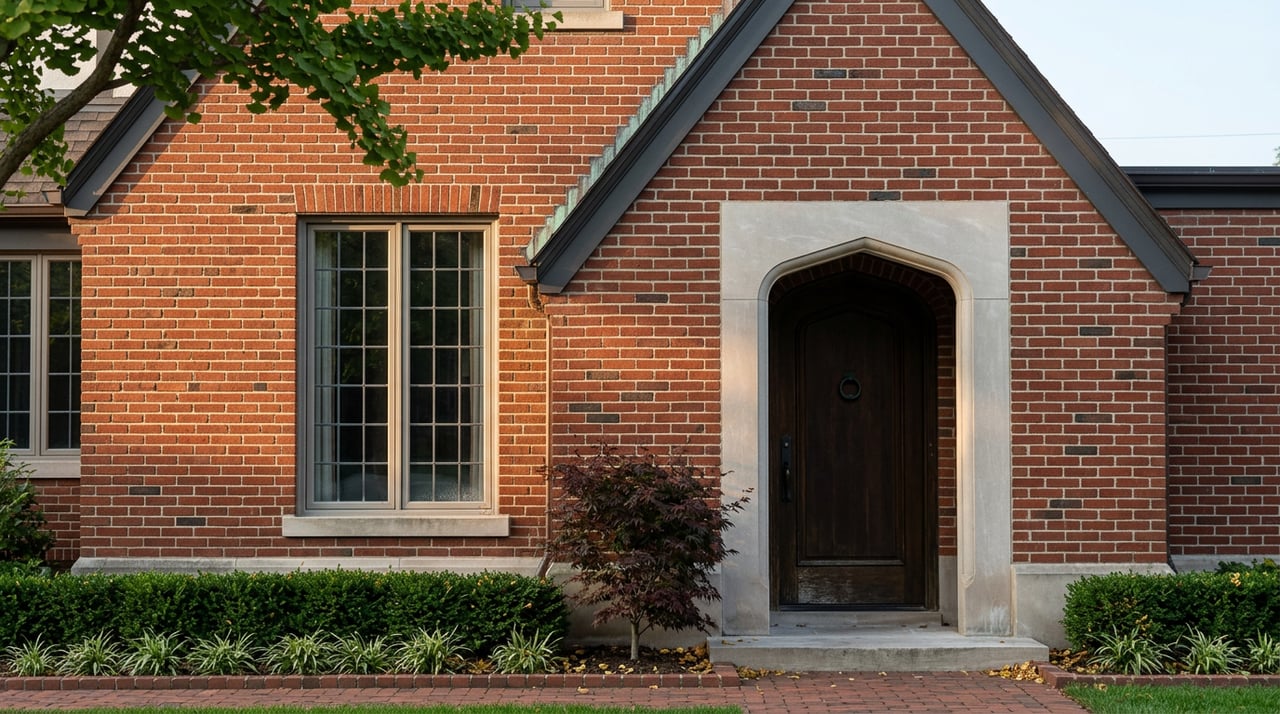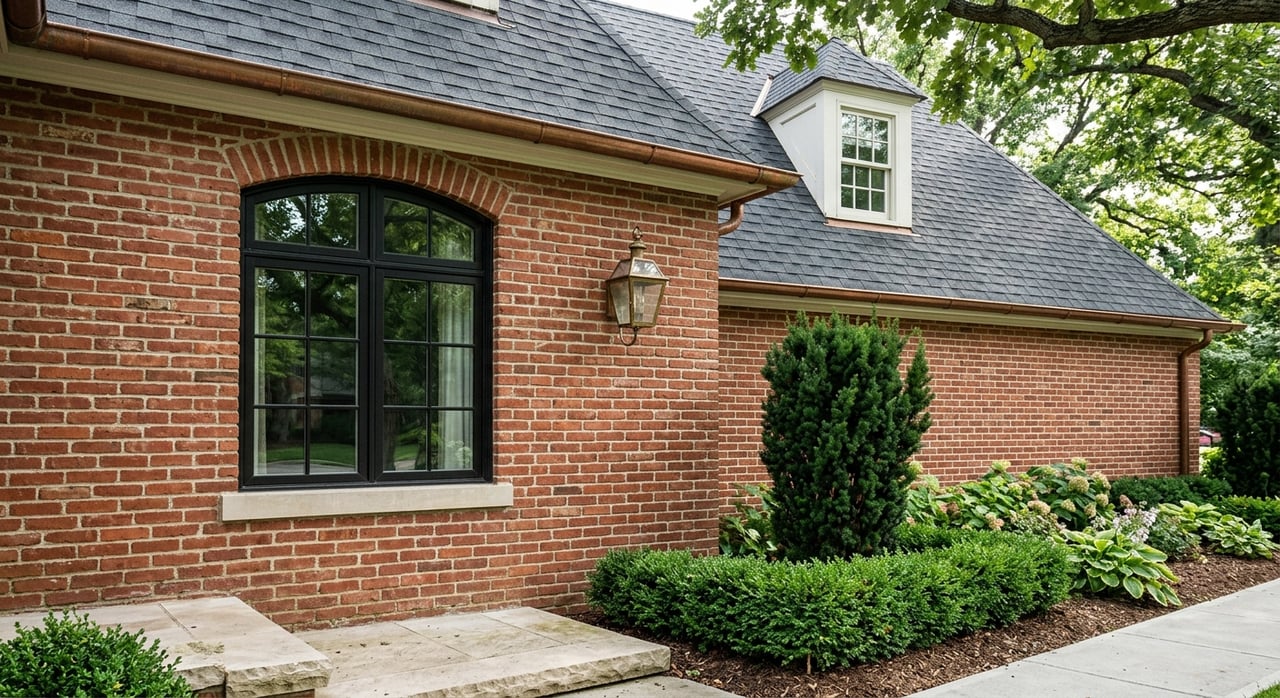
Wondering if an older home in Lakehurst is a hidden gem or a future project list? In an established Oklahoma City neighborhood with many homes dating back to the 1960s and 1970s, the answer is often a little of both. If you go in with clear expectations, the right inspections, and a practical maintenance mindset, you can make a smart decision with confidence. Let’s dive in.
Lakehurst homes have mid-century roots
Lakehurst is an established neighborhood with a resale housing stock that includes homes built in the early 1960s through at least 1970, according to Oklahoma County assessor records. Those records also show one-story ranch construction on several properties and at least one one-story duplex, which points to a mature neighborhood rather than a uniform new-build setting.
For you as a buyer, that usually means variety. One home may be largely original, another may be partially updated, and a third may have had major systems replaced at different times. That mix is part of the appeal, but it also means you should look closely at the details instead of assuming every house will age the same way.
What older homes in Lakehurst often need
Older homes can be very livable and full of character, but they typically reward buyers who pay attention to condition and upkeep. In Lakehurst, the biggest areas to watch are foundation movement, weather-related wear, pest risk, and older materials that may affect renovation plans.
None of that means you should avoid the neighborhood. It means you should evaluate each home based on its actual maintenance history, updates, and current condition.
Check foundation and drainage first
In Oklahoma County, expansive soils are a real consideration. The county hazard mitigation plan notes that these soils can contribute to sticking doors, uneven floors, and cracks in foundations, floors, walls, ceilings, and windows. It also notes that moisture changes from leaking water or sewer lines, broken lines, or landscape watering can make movement worse.
OSU Extension also says shrink-swell soils are common in many parts of Oklahoma and advises checking for cracks around windows and doors. In practical terms, that makes the area around the house just as important as the interior signs you notice during a showing.
What to look for outside
When you tour a Lakehurst home, pay attention to how water moves around the property. Good grading, functional gutters, and downspouts that carry water away from the home can make a meaningful difference over time.
You should also look for low spots near the foundation, signs of standing water, or heavy watering close to the house. If the seller has records related to plumbing leaks, sewer line repairs, or past foundation work, those details are worth reviewing carefully.
What to look for inside
Inside, watch for common movement clues such as:
- Cracks near doors and windows
- Doors that stick or do not latch smoothly
- Sloping or uneven-feeling floors
- Visible wall or ceiling cracking
- Gaps that suggest past settling or movement
These signs do not automatically mean a home is a bad purchase. They do mean you should ask follow-up questions and be ready for a licensed specialist to evaluate any concerns identified during inspection.
Roofs and exteriors matter in Oklahoma weather
Older homes in Lakehurst have spent decades facing Oklahoma heat, storms, and seasonal swings. NOAA climate normals for Oklahoma City Will Rogers show an average daily high of 93.1°F in July, 73.5 days per year with highs at or above 90°F, 12.6 days at or above 100°F, and 36.39 inches of annual precipitation.
The National Weather Service also identifies the Oklahoma City area as being near the heart of tornado alley, with a historical record that includes 194 tornado events in the immediate OKC area since 1890. That weather pattern makes the building exterior especially important when you are evaluating an older home.
Focus on these exterior systems
For a Lakehurst buyer, it is smart to pay close attention to:
- Roof age and visible condition
- Flashing and exterior sealing
- Siding, trim, and soffit condition
- Attic ventilation
- Window condition and weather sealing
- Cooling performance during hot months
A home may look updated cosmetically while still needing attention in these areas. Because Oklahoma weather can be hard on exterior systems, you want to know whether repairs were recent, deferred, or only partially completed.
Termite inspections are not optional in practice
In Oklahoma, termite risk is a standard part of due diligence for older homes. OSU Extension says termites are severe wood-destroying pests present in all Oklahoma counties, with moderate-to-heavy risk in most of the state. OSU also notes that termite attack can begin within a year because termites are widespread in Oklahoma soils.
Its urban and structural IPM program identifies the eastern subterranean termite as a major structural pest in Oklahoma. For you, that means a termite or wood-destroying insect inspection should be part of a careful evaluation of a Lakehurst home.
Questions to ask about pests
When reviewing an older home, ask:
- Is there evidence of current or past termite activity?
- Has the home had prior treatment?
- Are there records for termite service or repairs?
- Is there visible wood damage in crawl, attic, or framing areas?
A clean answer to these questions can provide reassurance. A less clear answer does not always end the conversation, but it should shape your inspection plan and repair budgeting.
Older materials can affect renovation plans
If you are buying a Lakehurst home with plans to update paint, flooring, walls, or ceilings, older materials matter. EPA says homes built before 1978 are more likely to have lead-based paint, and it reports that 24% of homes built between 1960 and 1978 contain some lead-based paint.
EPA recommends using a certified inspector or risk assessor to test for lead-based paint and warns that renovation can create lead dust. For homes from this era, that is an important planning issue, especially if you want to start remodeling soon after closing.
Asbestos is not always obvious
Asbestos can also be relevant in older homes. EPA says you usually cannot identify asbestos by sight, and that sampling or remediation should be handled by trained, accredited professionals if suspect materials may be disturbed by damage or remodeling.
That does not mean every older Lakehurst home will have an asbestos issue. It means you should avoid guessing and bring in qualified help if your renovation plans involve older flooring, ceiling materials, wall materials, or other suspect components.
General inspection is only step one
One of the biggest mistakes buyers make with older homes is expecting a general home inspection to answer every question. In reality, the general inspector’s role is often to identify potential concerns that need a closer look.
In Oklahoma, the Construction Industries Board licenses home inspectors and maintains license search tools for home inspectors as well as electrical, mechanical, and plumbing licensees. That gives buyers a practical path forward when a general inspection uncovers something that needs specialist review.
When to bring in specialists
If your inspector flags a concern, the next step may be a licensed professional in the right trade. That can help you separate a manageable maintenance item from a larger repair issue.
Common follow-up categories include:
- Foundation or structural evaluation for movement concerns
- Licensed plumbing review for leaks or sewer-related issues
- Licensed mechanical review for HVAC performance
- Licensed electrical review for aging or questionable components
- Pest inspection for termites or wood-destroying insects
- Certified lead or accredited asbestos evaluation if remodeling is planned
This approach gives you better information before you move forward. It also helps you make decisions based on documented condition rather than uncertainty.
A smart buying mindset for Lakehurst
The most helpful mindset for buying in Lakehurst is not to expect a 1960s or 1970s home to behave like new construction. Instead, expect a home with history, maintenance cycles, and a need for periodic attention.
That does not take away from the appeal. In many cases, older homes offer established settings, mature neighborhood character, and floor plans that continue to work well today. The key is matching that appeal with a realistic inspection process and a plan for ongoing care.
Think reserve and maintain
Long-term ownership in a mature OKC neighborhood often works best when you budget for maintenance rather than assume everything is done forever. Based on county guidance, local climate patterns, and OSU termite resources, the most important habits are moisture control around the foundation, prompt roof and exterior repairs after storms, termite prevention, and periodic review of aging systems.
If you approach the purchase this way, you are less likely to be surprised later. You can enjoy the strengths of an older Lakehurst home while staying prepared for the responsibilities that come with it.
Questions to ask before you buy
As you compare homes in Lakehurst, keep your due diligence focused on a few high-value questions:
- Is the home mostly original or partially updated?
- Which major systems have been replaced, and when?
- Has the foundation moved or been repaired?
- How does the property handle drainage?
- Is there evidence of termites, prior treatment, or wood damage?
- Do planned updates raise lead-based paint or asbestos questions?
- Which issues need a licensed specialist after the general inspection?
These questions can help you move from a first impression to a more informed decision. That is especially important in a neighborhood where homes may share a similar era but differ widely in upkeep and improvement history.
Buying an older home in Lakehurst can absolutely be a smart move, but it works best when you buy with your eyes open. If you want steady guidance through inspections, follow-up evaluations, and the details that matter in established Oklahoma City neighborhoods, Rebecca West is here to help.
FAQs
What should buyers know about older homes in Lakehurst?
- Many Lakehurst homes date to the 1960s and 1970s, so you should expect a mix of original features, partial updates, and different replacement timelines for major systems.
What foundation issues should buyers watch for in Lakehurst homes?
- Watch for cracks, sticking doors, uneven floors, drainage concerns, and any history of plumbing leaks or foundation repair, since Oklahoma County identifies expansive soils as a structural risk factor.
Why is drainage important when buying a Lakehurst home?
- Moisture changes can worsen soil movement, so grading, gutters, downspouts, and leak history all deserve close attention during your evaluation.
Do older Lakehurst homes need termite inspections?
- Yes. OSU Extension says termites are present in all Oklahoma counties and are a major structural pest risk, so a termite or wood-destroying insect inspection is a routine part of due diligence.
Could a Lakehurst home have lead-based paint or asbestos?
- It could. Homes built before 1978 are more likely to have lead-based paint, and older materials may require professional evaluation if remodeling could disturb suspect components.
Is a general home inspection enough for an older home in Lakehurst?
- Usually not by itself. A general inspector can identify concerns, but foundation, plumbing, HVAC, electrical, pest, lead, or asbestos issues may need follow-up from the appropriate licensed or certified professional.