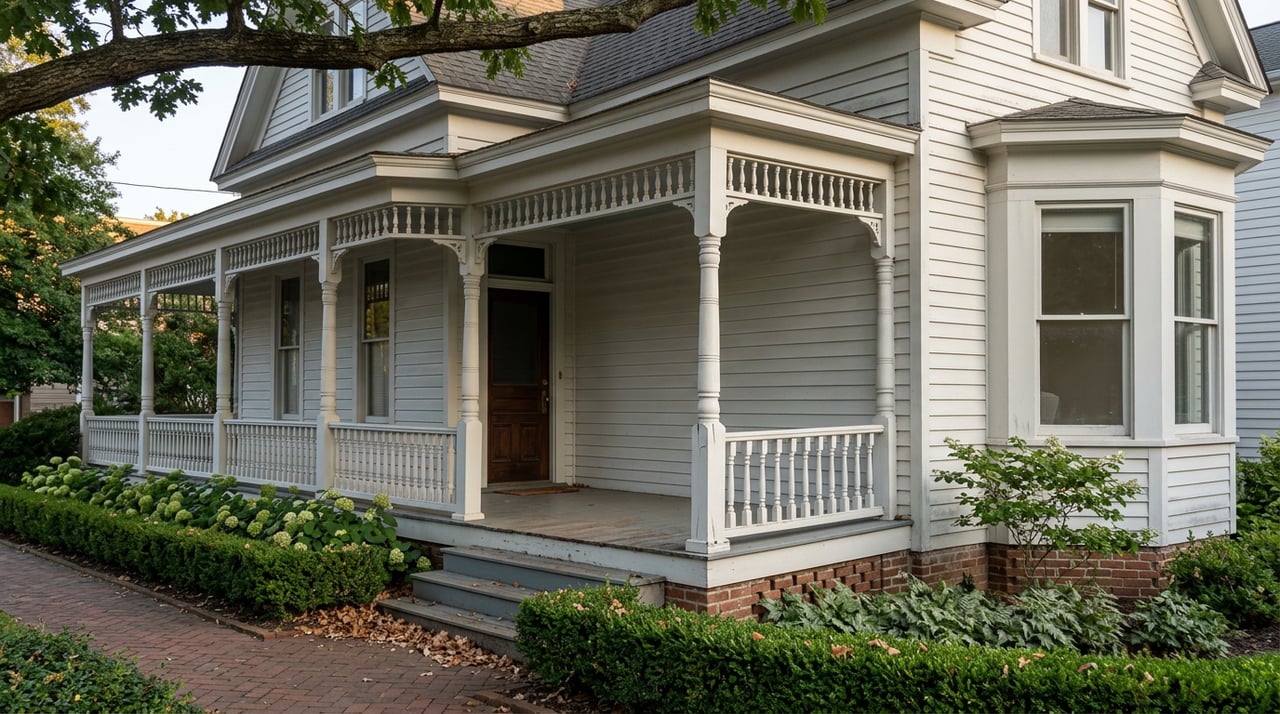
"It's a true, true neighborhood," Mesta Park Neighborhood Association president Justin Brannon told News 9 last September, describing a festival that started as a chili cook-off. He wasn't exaggerating for effect. Mesta Festa turns 31 this year, landing on September 27 at Perle Mesta Park, and the wristband you buy at the gate helps fund improvements to the park.
That's the part most people who've lived here for a few years never quite connect. The gazebo, the sand volleyball court, the play structures scattered across Perle Mesta Park arrived because your neighbors raised the money, year after year, one beer garden wristband at a time.
The Park Started With A Donation
Perle Mesta Park sits on land that was once part of Franklin Winans's homestead, claimed in the 1889 land run. By 1975, the block had deteriorated into a cluster of derelict houses. The park that replaced them exists because O.W. Skirvin, Perle Mesta's brother, donated $5,000 to help create it. From there, the Mesta Park Neighborhood Association took on maintaining and improving the space, with Historical Preservation, Inc. pitching in along the way. The play structures, the mature landscaping, the gazebo, the sand volleyball court that showed up more recently all trace back to that same pattern of neighbors funding their own commons.
If you've ever wondered why a two-block city park feels more cared for than its size would suggest, that's why. The people who live around it help support its upkeep and improvements.
Thirty-One Years Of Neighborhood Fundraising
Mesta Festa is the mechanism. The Mesta Park Neighborhood Association introduced it in 1995 as a fundraiser to underwrite exactly the kind of beautification work the park still needs, and three decades later the formula hasn't changed even as the event has grown. What started as a neighborhood cookout with a chili cook-off now draws people from across the metro for live music, food trucks, a kids' activity area, sand volleyball, kubb and bocce ball, local artist booths, and a beverage garden that requires a separate wristband for anyone 21 and older.
This year's festival is scheduled for September 27, and if recent years are any guide, expect it to run from noon to six at Perle Mesta Park, 1900 N. Shartel Avenue. Wristbands for the beer and wine garden have run $25 in past years. That fee, along with everything else the festival generates, funds the same beautification and improvement work the neighborhood association has been doing since Skirvin's original donation. You're not just paying for a plastic cup of beer. You're paying for next year's mulch, next year's playground repair, and other park improvements.
The Home Tour Runs On The Same Instinct
A few weeks after the festival wraps, the Heritage Hills Historic Homes Tour takes over the neighborhood next door. It's a different kind of event, but it's built on the same logic: a self-guided walking tour through private historic homes, with a shuttle provided by Mercedes-Benz to move visitors between stops, benefiting Historical Preservation, Inc. and the Henry and Anna Overholser Museum. In some years the proceeds have also supported the Regional Food Bank of Oklahoma.
The tour has been a fixture of the Oklahoma City fall calendar for more than fifty years, and the Overholser Mansion, Henry Overholser's palatial home at 405 NW 15th Street, is typically one of its anchor stops, often paired with the Hales Mansion just across the street. Photography inside the homes isn't allowed, out of respect for the families who open their doors for a weekend. It usually lands in October, and this year's dates hadn't been locked in as of this writing, so keep an eye on the neighborhood association's page as fall approaches.
The contrast matters. Mesta Festa's money goes toward park equipment and upkeep you can see and touch. The home tour's ticket price funds preservation work on private structures that most of us will never own but all benefit from walking past. Both events exist because residents decided to build the machinery themselves and kept doing it for decades.
What's New To Eat On The Walk Between Them
Between now and the festival, and again between the festival and the home tour, you've got a few new stops worth the short walk into Midtown and Automobile Alley. A handful of openings in the past year have reshuffled where locals are actually eating on a Tuesday night.
| Spot | What's new about it | What to order |
|---|---|---|
| Lorena Southern Twist | Lori Burson, who's run Stella Modern Italian Cuisine for 15 years, opened this Southern-focused spot right next door, bringing on chef Cally Johnson | Pimento cheese balls, pickled okra fritters, a fried bologna sandwich piled with pimento cheese and barbecue chips |
| Le Parisien | A French bistro from Dustin Lancaster's Drumm Hospitality, with chef Bryant Gallegos (trained at Petit Trois in LA) taking over the old Cafe DO Brasil space | Escargot, steak tartare, Parisienne gnocchi |
| Mezzo Bakeshop | A bakery and cafe moving into the historic Brown's Bakery building in Midtown | Focaccia, prosciutto sandwiches, an espresso martini if you're staying for a while |
| Bar None | Kiki Mackey's wine bar and sandwich spot, filling the space The Den left behind inside Nonesuch | Egg salad sando, the seasonal tomato sandwich when it's back on the menu |
None of these are more than a short walk or a quick drive from Heritage Hills or Mesta Park, which means you can realistically build a Saturday around home tour stops and land at one of them for dinner without moving your car.
What This Means If You Live Here
The through-line across all of this is community investment in Mesta Park and Heritage Hills. A park built on a donated lot. A festival that turned a chili cook-off into a 31-year fundraising engine. A home tour that's kept a preservation nonprofit funded for half a century. The people living here decided the park, the historic homes, and the sense of neighborhood were worth paying for directly.
That's worth knowing the next time you're deciding whether to buy the wristband or skip the home tour ticket this year. The $25 wristband and the $18 or $20 home tour ticket support, respectively, park improvements and historic preservation.
If you're new to the area, or you've been here for years and just never put the pieces together, both events are on the calendar this fall and worth showing up for, if only to see where the money actually goes.
If you're curious what a home in Mesta Park or Heritage Hills is actually worth in today's market, or you're weighing whether now's the time to sell in a neighborhood this tightly knit, West Real Estate Company knows this district block by block. Request Your Home Valuation and we'll walk you through what your specific address means in the current Oklahoma City market.